
Buh-Bye

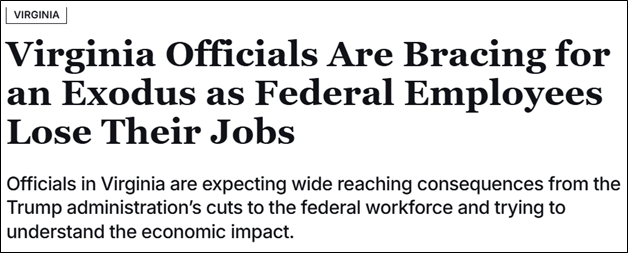
On Wednesdays I usually write about the impact of national news events on my state or location – Williamsburg, Virginia. I get several regular newsletters that alert me to what’s happening. This week, I became aware of a new online news source – News of the United States (NOTUS), an online nonprofit and nonpartisan newspaper produced by the Albritton Journalism Institute (AJI). Here’s how the AJI website describes itself:
The AJI’s staff and faculty include former reporters, editors, and producers from media outlets including The Atlantic, Axios, BuzzFeed News, CNN, The Dispatch, The Hill, HuffPost, The Independent, MarketWatch, McClatchy, National Journal, NPR, Politico, Roll Call, Vanity Fair, Vice News, the Washington Post, and the Wall Street Journal. The Institute operates out of Arlington, Virginia AJI fellows, faculty, and staff produce News of the United States (NOTUS), a nonprofit political news website. The site’s editor in chief, former Politico Pro editor in chief and Miami Herald publisher Tim Grieve, analogized NOTUS to a “teaching hospital” where doctors in training learn by working alongside more experienced professionals.
The story I’m writing about today examines the consequences of the Trump administration’s cuts to the federal workforce in Virginia.
Political and business leaders alike are concerned about the ripple effects of the expected decrease in the number of federal jobs in Virginia. As I wrote in a recent essay, the Virginia House of Delegates has formed a bipartisan emergency committee to address the economic impact on their states, and the governor is trying to connect fired federal workers to jobs. Town halls hosted by members of Congress have erupted with protests from people whose lives have been turned upside down.
The article talks about more than just the federal workers who will lose their jobs. Among their concerns are the businesses that support federal workers, including transportation, restaurants, and daycare.
They’re also concerned about the housing market, as workers find that they can’t afford their current house payments. People will be forced to sell their houses in a market glutted with houses whose values have skyrocketed over the past decade but are expected to lose significant value. People will find themselves under water — they’ll owe more on their houses than they will be able to recoup when they sell.
The article doesn’t discuss every possible impact of these cuts, but you and I can speculate about what these impacts might be. Northern Virginia is the engine that fuels the Virginia economy, and when the tax revenues start to decline, all of Virginia will suffer. The schools in Northern Virginia, long recognized as among the best public schools in the country, will decline in quality as the property tax base which supported their growth and improvement declines with decreased property values.
This is an evolving situation, but here’s what is expected to happen in Fairfax County, the second-wealthiest county in the state:
The county is grappling with an anticipated $292.7 million budget deficit, attributable to anticipated reductions in federal funding and a weakening commercial and residential real estate market. This will lead to decreased property tax revenues for school funding.
The expected closure of the U.S. Department of Education and other program cuts mean that the public schools will face an estimated $168.1 million loss in federal aid, including cuts to programs such as free and reduced-price meals, special education, and ESL programs.
In response to these challenges, the county has proposed measures including a real estate tax increase and the reduction of over 200 staff positions.
These issues will be front and center in the November 2025 state elections. Former Congresswoman Abigail Spanberger, the expected nominee for the Democratic Party, is focusing her campaign on these cuts. Democratic Congressman Suhas Subramanyam, whose constituents include more than 30,000 federal employees, says he is expecting that the economic consequences of the firing of a large number of federal workers will increase pressure on local nonprofits who fear they will not have the resources to meet the increased needs of people they will need to serve.
The article includes a reference to a report by the Congressional Research Service on the geographic distribution of the federal workforce. Here’s the link if you want to check it out.
Such sorry times for NOVA. Thanks for keeping us informed.
Karen, thank you for keeping your readers “in the know……” I appreciate it very much.